Enhancing Everyday Movement Efficiency
By Dr. Lena Schippert / Dec 14
Did you know that understanding your body's biomechanics can be the key to unlocking your running potential? By learning how to optimize your movements, you can enhance your performance while reducing the risk of injuries. Let's explore the fundamental insights that can transform your running experience!
Monitoring these metrics provides actionable insights for optimizing your running technique and ensuring a safe return to activity post-injury. To delve deeper into how your movements impact your overall fitness, consider exploring biomechanics as a key to functional fitness.
Goal: 170-180 steps/min
Helps reduce injury risk by minimizing impact forces.
Indicator: Shorter is more efficient
Less time on the ground means less energy wasted during propulsion.
Goal: Reduced movement
Minimizing up-and-down motion conserves energy for forward momentum.
Benefit: Indicates fitness improvements
Consistent monitoring helps track aerobic capacity and recovery.
When it comes to running, understanding the importance of biomechanics can make a world of difference in performance and injury prevention. As an exercise physiologist, I’ve witnessed firsthand how the way we move impacts not only how efficiently we run but also how prone we are to injuries. So, let’s dive into the fascinating world of running biomechanics and explore its implications!
Running biomechanics refers to the scientific study of how our bodies move while running. It encompasses various factors such as posture, movement patterns, and ground reaction forces. By grasping these elements, runners can optimize their performance and reduce injury risks. In my practice at Functional Fitness & Movement Science, I emphasize the need for every runner to understand these principles, as they directly affect health and longevity in the sport. For insights into how movement science integrates with fitness, see our article on functional fitness meets movement science.
Biomechanics plays a critical role in improving running performance! Here’s how:
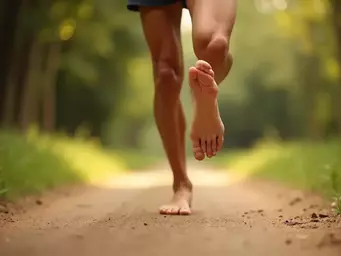
By focusing on biomechanics, runners can transform their approach to training. For instance, examining your foot strike, hip alignment, and overall posture can reveal insights into how to enhance your performance. This foundation is vital for both seasoned athletes and those just starting their running journeys!
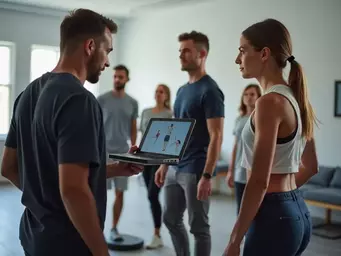
Gait analysis is an essential tool in understanding how our individual running patterns can contribute to injuries. A well-aligned gait can significantly reduce the risk of common running injuries such as shin splints and runner's knee. Here are some key points to consider:
As we analyze and improve gait mechanics, we empower ourselves to run safely and effectively. I often remind my clients that it’s not just about running faster; it’s about running smarter!
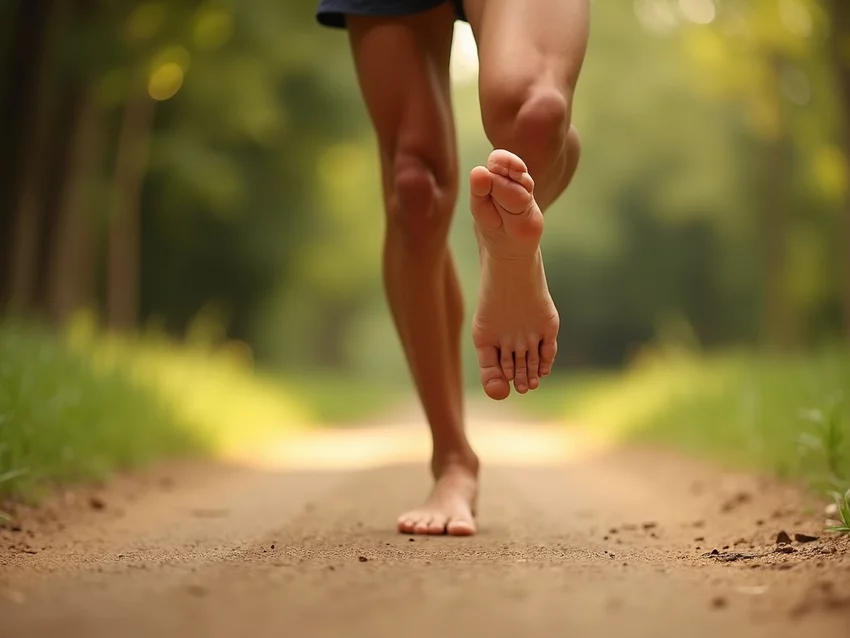
Your feet are your foundation, and their biomechanics play a pivotal role in your running efficiency. Here’s what you need to know:
Investing time in understanding and improving foot biomechanics can lead to more efficient running. As I always say, take care of your feet, and they’ll take care of you!
How has understanding biomechanics changed your approach to running? Share your thoughts with us!
After making changes to your running gait, it’s crucial to track your progress to ensure those modifications are effective. Monitoring specific metrics can help pinpoint areas of improvement and confirm that you’re heading in the right direction. Think of this as your personal roadmap to achieving optimal running performance!
By monitoring these metrics, you can gain valuable insights into your progress. Remember, it’s important to combine objective data with your personal experiences. This holistic approach not only reflects your journey as a runner but also guides you in making necessary adjustments along the way.
When we talk about tracking progress, specific metrics can illuminate how effective your gait modifications have been. Here are some key metrics to keep an eye on:
These metrics will not only help you track your improvements but also motivate you to stay on course. As you progress, remember to celebrate the small victories along the way. Each step towards better biomechanics is a step toward injury prevention and enhanced performance! For more insights on preventing injuries, read our guide on warm-up routines and injury prevention.
Returning to running after an injury is a major milestone. To make sure you are ready, it's essential to meet certain criteria before hitting the pavement again. Here’s a guideline to follow:
By adhering to these criteria, you can significantly reduce the risk of re-injury. At Functional Fitness & Movement Science, we emphasize the importance of a gradual return to running. Trust your body and listen to what it needs. The journey back might be challenging, but it’s also rewarding!
Running economy refers to how efficiently you use oxygen while running at a given pace. Improving this aspect can greatly enhance your performance. Here are some ways to evaluate and optimize your running economy:
Improving your running economy can lead to better race times and lower fatigue. Remember, small adjustments in your training can have a profound impact on your overall performance and enjoyment of running! To learn more about how biomechanics can be integrated into your fitness plan, explore biomechanics in personalized exercise plans.
Here is a quick recap of the important points discussed in the article:
By Dr. Lena Schippert / Dec 14
By Dr. Lena Schippert / Dec 12
By Dr. Lena Schippert / Dec 08