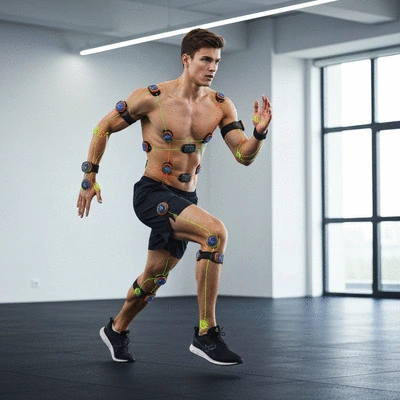

Enhancing Everyday Movement Efficiency
By Dr. Lena Schippert / Dec 14
What if understanding the science of movement could unlock your potential in fitness? By grasping biomechanics, you can personalize your exercise plans for effective results and injury prevention. Let’s dive into the essential lessons drawn from biomechanics to elevate your fitness journey!
This visual highlights the critical areas where biomechanics are applied in personalized exercise plans and the resulting benefits. For a deeper understanding of these foundational principles, explore biomechanics as the key to functional fitness.
At Functional Fitness & Movement Science, we believe that understanding biomechanics is crucial for creating personalized exercise plans that truly resonate with individuals. Biomechanics delves into how our bodies move, and this knowledge serves as a foundation for developing effective training strategies. By recognizing the mechanics behind each movement, we can tailor exercise programs to fit each person's unique needs!
So, why does biomechanics matter? It’s not just about enhancing athletic performance; it’s about ensuring that everyone, regardless of their fitness level, can achieve their health goals without the risk of injury. Let’s explore this further!
Biomechanics is the study of the structure and function of biological systems, particularly in relation to movement. In the realm of exercise, it examines how our muscles, joints, and bones work together during physical activity. When we grasp these principles, we can better understand how to optimize our movements, which is essential for effective training and injury prevention.
For instance, have you ever considered how poor posture can lead to discomfort during workouts? By identifying and correcting these mechanical issues, we can create a safer and more effective exercise environment. This is also why understanding fixing poor form for safety is so important.
When we personalize exercise plans, the ultimate goal is to align them with the individual's unique biomechanics. Each person has different strengths, weaknesses, and goals, and by intertwining these aspects with biomechanics, we can significantly enhance their training experience.
By focusing on this relationship, we can foster a deeper connection between the person and their fitness journey, ultimately leading to better outcomes.
To effectively apply biomechanics in exercise programs, it's essential to understand some key concepts from exercise physiology and kinesiology, such as:
As an exercise physiologist, I often emphasize these concepts when designing personalized plans. By doing so, we empower individuals to understand their bodies better, leading to improved performance and reduced injury risk!
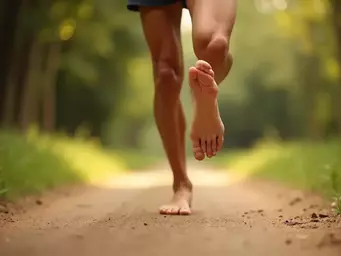
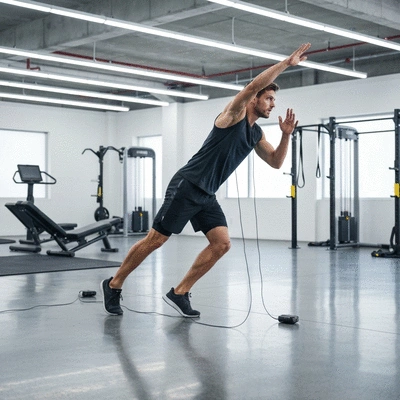
Analyzing movement is a vital component of improving athletic performance. Through careful observation, we can identify areas where efficiency can be enhanced. For example, performing a jump with the right technique not only maximizes height but also minimizes the risk of injury.
With these tools, athletes can refine their movements and ultimately elevate their performance. It’s all about maximizing every motion!
Muscle imbalances can lead to inefficiencies and increase the risk of injury. By applying biomechanics, we can pinpoint these discrepancies and develop targeted exercises to correct them. For example, a common issue is weak glutes, which can affect lower back stability.
Through our programs at Functional Fitness & Movement Science, we emphasize the importance of identifying and addressing muscle imbalances, fostering a more balanced physique!
To optimize performance, athletes can benefit from several techniques derived from biomechanics:
By implementing these techniques, athletes can not only boost their performance but also maintain their health and longevity in sports.
Creating tailored training plans that focus on the specific demands of a sport is essential for success. By understanding the biomechanics involved in each sport, we can enhance performance and reduce injury risk. For instance, a soccer player’s training would differ significantly from that of a weightlifter.
This approach ensures that athletes are well-prepared for the unique challenges of their respective sports!
Injury prevention is a cornerstone of effective training programs. By leveraging biomechanics, we can identify risk factors and create interventions to combat them. For example:
At Functional Fitness & Movement Science, we prioritize these strategies to promote safe and effective training!
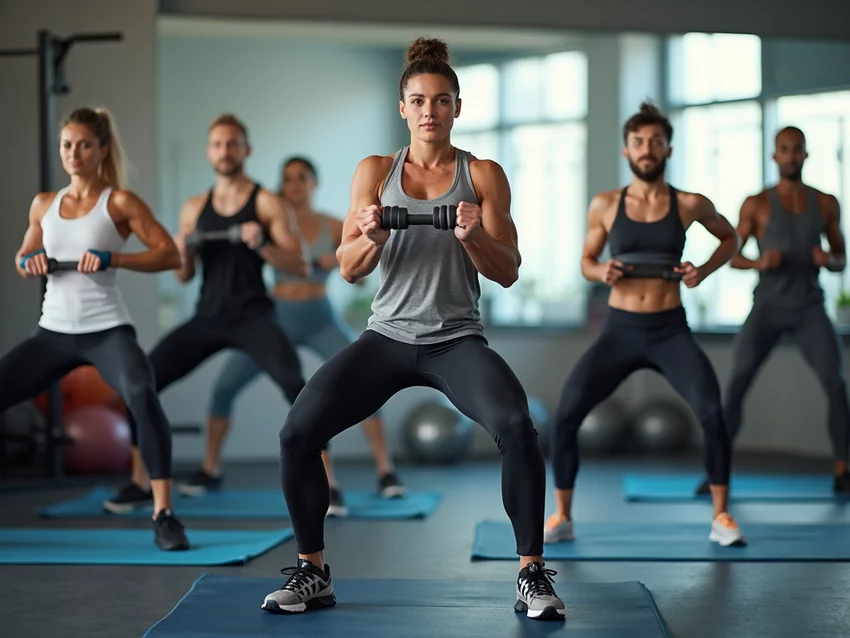
Combining strength and endurance training is vital for overall fitness, and biomechanics plays a pivotal role in this integration. Understanding how different muscle fibers respond to various types of training allows us to design balanced programs that enhance both strength and endurance.
With well-structured programs, individuals can enjoy comprehensive benefits, leading to improved performance across all fitness aspects!
Wearable sensors have revolutionized the way we approach training. By tracking data such as heart rate, motion, and muscle activation, we can gain valuable insights into an individual’s performance.
This level of personalization can significantly enhance the effectiveness of exercise plans!
Artificial Intelligence is increasingly playing a role in workout personalization. With the ability to analyze data in real time, AI can provide immediate feedback, ensuring that individuals are executing movements correctly.
This innovative approach not only optimizes performance but also reduces the likelihood of injury—a true game-changer in fitness!
Biomechanical software is another tool that empowers us to make informed decisions in exercise programming. By analyzing movement patterns and biomechanics, we can design more effective and personalized training strategies.
This data-driven approach ensures that each program is uniquely suited to the individual, enhancing overall effectiveness and satisfaction.
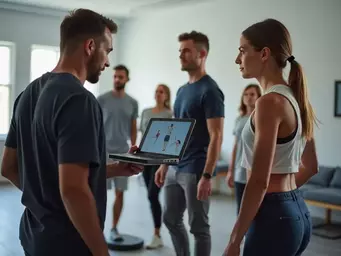
To create an effective exercise plan, we first need to assess movement patterns. This involves using various tools and techniques to analyze how an individual moves. Common methods include:
These assessments provide a solid foundation for personalized program design.
Once we have the assessment data, it's time to analyze it for program customization. This involves looking at key metrics, such as:
By examining these aspects, we can develop a training plan tailored precisely to meet the individual's needs.
Finally, tracking progress is essential in any personalized plan. Regularly monitoring health metrics allows us to make necessary adjustments to the program. This could include:
At Functional Fitness & Movement Science, we emphasize the importance of ongoing assessment to ensure that each individual continues to thrive in their fitness journey!
Here are some frequently asked questions that delve deeper into the importance and application of biomechanics in fitness:
As technology advances, portable sensors are becoming more accessible and prevalent in the fitness industry. These devices enable individuals to monitor their biomechanics during workouts, providing insights that were once only available in specialized settings.
Imagine being able to track your movement patterns at the gym! This accessibility democratizes fitness and empowers everyone to make informed decisions about their training.
With the rise of data collection in exercise programming, ethical considerations come into play. It’s vital to ensure that individuals’ data is protected and used responsibly. At Functional Fitness & Movement Science, we prioritize transparency and consent in all data collection efforts.
We believe that ethical practices enhance trust and foster a supportive environment for our clients!
Looking ahead, the possibilities for biomechanical research and applications are vast. Emerging trends, such as virtual reality training and advancements in AI, will continue to shape the future of personalized exercise plans.
As we embrace these innovations, we remain committed to empowering individuals to achieve optimal movement and health!
To truly optimize your exercise plan, consider conducting regular self-assessments to monitor your movement patterns. This will help you identify areas for improvement and ensure that your training remains aligned with your unique biomechanics, leading to enhanced performance and reduced injury risk!
At Functional Fitness & Movement Science, we believe that understanding how biomechanics influences personalized exercise plans is crucial for achieving fitness goals. Biomechanics provides the scientific foundation necessary for tailoring training programs to meet individual needs, ultimately fostering better outcomes. It's not just about lifting weights; it’s about how you move and the mechanics behind those movements!
When we take biomechanics into account, we can design exercise plans that align more closely with an individual's unique body mechanics and fitness aspirations. This personalized approach is key to enhancing performance and preventing injuries, making the journey to fitness much more enjoyable and effective.
Personalized exercise plans can significantly influence your fitness journey by addressing specific goals through a biomechanical lens. Here are some ways this impact manifests:
Through personalized plans, we can foster an environment that nurtures growth and progress. Each individual is unique, and the right approach ensures that their specific needs are met, paving the way for lasting success.
Customized exercise plans that leverage biomechanics allow for targeted training, addressing weaknesses while enhancing strengths. For instance, a plan designed for a runner will differ significantly from one for a powerlifter. Each plan is crafted with careful consideration of the client's body mechanics, fitness level, and goals.
By analyzing movement patterns and incorporating personal insights, I can tailor programs that not only challenge individuals but also engage them. The holistic approach we take at Functional Fitness & Movement Science ensures that clients progress safely and effectively, leading to optimal results.
Let’s look at a few examples of how biomechanics has transformed fitness journeys:
These examples demonstrate the real-world impact that biomechanics can have on fitness outcomes, reinforcing the importance of personalized exercise plans.
At Functional Fitness & Movement Science, we aim to make biomechanics accessible to everyone! Everyone deserves the benefits of personalized exercise plans, and innovative technology is paving the way for that accessibility.
Advancements in wearable technology and biomechanical assessments mean that we can now gather data about movement patterns without needing specialized facilities. These tools allow individuals to engage with personalized exercise plans tailored to their unique needs.
By embracing technology, we can ensure that everyone, regardless of their fitness level or experience, has access to the insights necessary for effective training. This democratization of information empowers individuals to take control of their fitness journeys!
So, how can you start integrating biomechanics into your routine? Consider these steps:
Implementing these steps will enable you to harness the power of biomechanics, leading to a more effective and enjoyable fitness experience. Remember, it’s all about understanding your body and how to move it wisely!
Finally, it’s important to highlight that biomechanics plays a vital role in adaptive exercise and rehabilitation. By understanding individual biomechanics, we can design programs that cater to those with specific needs, such as injuries or disabilities.
Adaptive exercises can help improve mobility, strength, and overall quality of life for many individuals. By focusing on biomechanics, we can ensure that these exercises are safe, effective, and truly personalized to foster recovery and enhance performance. For more insights into how thoughtful planning can prevent setbacks, consider reading about injury prevention strategies for lifelong activity.
At Functional Fitness & Movement Science, we’re committed to guiding you on your journey to optimal movement, helping you unlock your full potential while prioritizing safety and functionality!
Here is a quick recap of the important points discussed in the article:
By Dr. Lena Schippert / Dec 14
By Dr. Lena Schippert / Dec 12
By Dr. Lena Schippert / Dec 08