
Enhancing Everyday Movement Efficiency
By Dr. Lena Schippert / Dec 14
Have you considered how biomechanics can transform everyday activities into seamless movements? Understanding the mechanical laws of our body not only enhances performance but also plays a crucial role in injury prevention and overall well-being.
Understanding movement efficiency involves several key components that contribute to our overall functionality. Each element plays a crucial role in optimizing how we move. For a deeper dive into how these principles are applied, explore biomechanics as the key to functional fitness.
How we initiate, sustain, and stop movement, crucial for tasks like lifting.
Learn More →Understanding push, pull, and rotational forces for better physical tasks.
Explore Concepts →Maintaining control and preventing falls, essential for daily activities.
Improve Balance →Understanding muscles, bones, and joints for optimized movement.
Study Anatomy →Understanding biomechanics is essential for anyone aiming to improve functional fitness and movement efficiency. At Functional Fitness & Movement Science, we emphasize how the science of human movement affects our daily activities. When you grasp the principles of biomechanics, everyday tasks—from bending down to tie your shoes to carrying groceries—become not just easier, but safer.
Have you ever thought about how a simple action like getting up from a chair can impact your overall health? By studying biomechanics, we can appreciate the subtle intricacies of movement that contribute to our physical well-being. This awareness can help us maintain independence and prevent injuries as we age.
Simply put, biomechanics is the study of the mechanical laws relating to the movement or structure of living organisms. It’s fascinating how this science applies to our everyday life! By understanding biomechanics, we can enhance our physical capabilities and decrease the risk of injury. Learning about biomechanics and functional fitness explained can further illuminate these connections.
Recognizing these principles allows us to make informed decisions about our physical activity. When we understand how our body moves, we can engage in fitness routines that support our long-term health.
Biomechanics is a blend of biology and mechanics, studying how our muscles, bones, and joints work together. It’s a scientific approach to understanding how forces interact with our body during movement. This knowledge is not just for athletes; it’s valuable for everyone!
By analyzing movement patterns, we can identify areas where we might be placing unnecessary strain on our bodies. This understanding allows for adjustments that enhance our performance and reduce injury risk.
Movement efficiency refers to how effectively we perform tasks with minimal effort. Consider how much easier it feels to move when your body is operating efficiently! Efficient movement reduces fatigue and discomfort, allowing us to engage more fully in our daily activities.
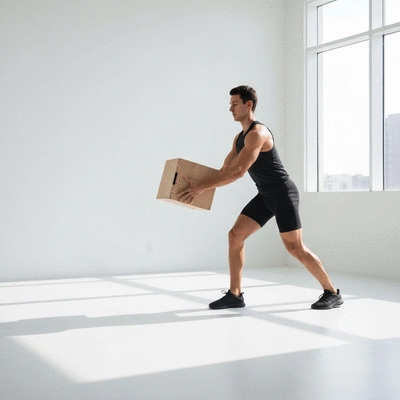
Implementing biomechanical principles to enhance movement efficiency can significantly improve your lifestyle. From the way you lift a box to how you walk, small adjustments can lead to profound changes in how you feel throughout the day.
Understanding movement efficiency involves several key components that contribute to our overall functionality. Let’s explore these elements to see how they can help us in daily life!
By focusing on these components, we can identify areas for improvement. If you’re curious about how these aspects can be optimized in your own life, I invite you to explore further!
Motion is a fundamental aspect of our daily lives. Whether we’re walking, sitting, or reaching, understanding the dynamics of our movements can lead to improved efficiency. For instance, using the correct mechanics while lifting heavy objects can save you from unnecessary strain and injuries.
Have you ever noticed how a well-executed lift feels completely different from a hasty one? By focusing on motion, we enhance our daily tasks and feel more in control of our bodies.
Force and torque are crucial concepts in biomechanics that relate to how we move. Force is the push or pull on an object, while torque involves rotating or twisting forces. Understanding these principles can change how we approach physical tasks. For instance, using proper torque while twisting to pick something up reduces the risk of injury.
By being aware of how force affects your movements, you can adjust your technique, leading to better performance and less strain on your body.
Balance and stability are essential for safe movement. They allow us to maintain control and avoid falls, especially as we age or during physical activities. Simple exercises, like practicing standing on one leg or using a balance board, can significantly improve your stability.
Enhancing your balance not only helps with daily activities but also boosts your confidence in movement. Remember, a strong foundation is key to effective function! For more insights, consider learning about joint stability and mobility explained.
Finally, a fundamental understanding of human anatomy is vital for grasping how we move. Knowing where our muscles, bones, and joints are located—and how they work together—allows us to optimize our movements. This insight can inform everything from exercise routines to rehabilitation strategies.
By appreciating our body’s anatomy, we can make better choices about our physical health and fitness, leading to a more active and fulfilling life.
To optimize your movement efficiency, start by integrating small changes into your daily routine. Focus on your posture while sitting or standing, and practice engaging your core muscles when performing tasks. This awareness not only enhances your movement but also helps in injury prevention and boosts your overall performance.
Biomechanics is the study of the mechanical laws related to the movement or structure of living organisms, applying principles of physics and engineering to biological systems.
Understanding biomechanics helps improve functional fitness, enhances movement efficiency, reduces the risk of injuries, and contributes to overall well-being by optimizing how our bodies move during daily tasks.
Key components include motion (how we initiate, sustain, and stop movement), force and torque (how physical forces influence movement), balance and stability (maintaining control and preventing falls), and human anatomy (the framework of muscles, bones, and joints).
Optimizing movement efficiency can lead to increased energy levels, enhanced mood, greater independence, improved functional abilities, reduced fatigue, enhanced mental clarity, long-term injury prevention, and support for lasting joint health.
Technology, such as wearable devices and smartphone apps, can track movement patterns, provide real-time feedback, help set personal benchmarks, and encourage accountability, allowing for data-driven adjustments and progress tracking.
When we talk about optimizing movement efficiency, we're not just discussing immediate gains—it's about the long-term benefits that come from making small, mindful adjustments. Over time, these adjustments can lead to a healthier, more active lifestyle that enhances your overall well-being. I’ve seen firsthand how a focus on biomechanics can transform lives, fostering independence and a better quality of life!
One of the most striking aspects of improving movement efficiency is how it positively impacts our health and wellness. Everything from lifting your groceries to enjoying a brisk walk can enhance your overall well-being!
Efficient movement is a game changer. Imagine feeling energized and capable after a day filled with activity! By improving your movement patterns, you're not only preventing injuries but also enhancing your quality of life.
All of these factors contribute significantly to your overall health. When I work with individuals at Functional Fitness & Movement Science, I emphasize how efficient movement habits directly correlate with a happier, healthier lifestyle!
Every movement we make adds up, and when performed efficiently, it enables us to engage more fully in life. Think about the simple act of playing with your children or grandchildren—efficient movements can transform those experiences into joyful memories rather than tiring endeavors.
Incorporating efficient movement can lead to:
By understanding and applying the principles of biomechanics, you can take actionable steps toward a more fulfilling life!
One of the most essential long-term benefits of optimizing movement is injury prevention. Many injuries stem from improper biomechanics or inefficient movement patterns. By making a conscious effort to improve these patterns, you set yourself up for a healthier future. Understanding biomechanics for injury prevention is crucial for this.
These preventative measures are crucial not just for athletes but for everyone. At Functional Fitness & Movement Science, we prioritize teaching individuals how to protect their bodies through knowledge and conscious movement.
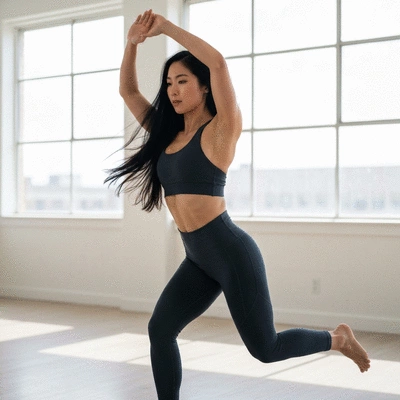
Flexibility and mobility are often overlooked but are vital components of optimizing movement efficiency. They allow us to perform daily activities with ease and confidence! Have you ever tried to bend down and pick something up only to feel a stiff back? Improving these aspects of movement can help alleviate such discomforts.
Incorporating flexibility and mobility training into your daily routine can make a significant difference. Remember, it’s about taking small steps to build a healthier foundation!
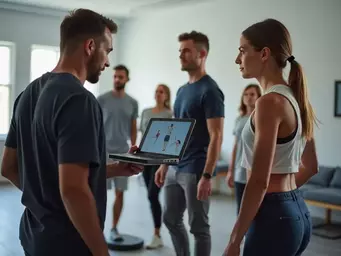
To truly optimize your movement efficiency, utilizing interactive tools can be incredibly beneficial. Technology has come a long way in helping us assess and improve our movement patterns!
At Functional Fitness & Movement Science, we advocate for the use of various tools and applications designed to track your progress and inspire improvement.
From wearable devices to smartphone apps, technology can provide valuable insights into your movement patterns. These tools allow you to monitor your activity levels and assess areas for improvement. By leveraging technology, you can:
It’s exciting to witness how technology can support our understanding of movement efficiency!
Another effective strategy is to create a self-assessment checklist tailored to your movement habits. This checklist can include simple questions such as:
By regularly evaluating your movement, you can make necessary adjustments and improve your overall efficiency.
Taking advantage of biomechanical feedback can greatly enhance your personal growth journey. Gathering data on your movements allows for informed decision-making about your training and daily activities.
At Functional Fitness & Movement Science, we believe that understanding your body through data can empower you to take control of your health!
Here is a quick recap of the important points discussed in the article:
By Dr. Lena Schippert / Dec 14
By Dr. Lena Schippert / Dec 12
By Dr. Lena Schippert / Dec 08