Enhancing Everyday Movement Efficiency
By Dr. Lena Schippert / Dec 14
Are you aware that understanding the mechanics of your body can significantly reduce the risk of injuries? This powerful insight into biomechanics is essential for anyone looking to enhance their fitness journey.
This visual outlines key aspects of biomechanics, its connection to injury prevention, and the long-term benefits of its integration into exercise routines. For a deeper dive into how biomechanics forms the key to functional fitness, explore our detailed analysis.
The study of mechanical laws relating to the movement or structure of living organisms.
Crucial for identifying risk factors and mitigating injuries during exercise.
Holistic view of movement; biomechanics informs rehabilitation.
Improved efficiency, reduced pain, and enhanced movement throughout life.
Welcome to the fascinating world of biomechanics, where anatomy meets engineering! It's essential to grasp how our bodies move and function, especially when it comes to preventing injuries. As an exercise physiologist, I’ve seen firsthand how understanding biomechanics can significantly enhance our approach to fitness and health.
So, what exactly is biomechanics? It’s the study of the mechanical laws relating to the movement or structure of living organisms. This field combines principles from physics, biology, and engineering to analyze how we move. Essentially, biomechanics helps us understand the intricate dance of our muscles, joints, and bones during every action—whether we’re lifting weights or simply walking.
Biomechanics is more than just a complex term; it’s a critical element in ensuring our bodies function optimally. It involves analyzing the forces exerted by muscles and gravity on the skeletal structure. By studying biomechanics, we can gain insights into how various movements can contribute to or detract from our health. Think of it as the blueprint for understanding how to move safely and efficiently!
With these core principles, we can begin to apply biomechanics to our fitness routines, ensuring that we not only perform exercises correctly but also prevent potential injuries.
Incorporating biomechanics into our exercise routines is crucial for injury prevention. By understanding the mechanical aspects of our movements, we can identify risk factors that may lead to injuries. For instance, improper form during exercises can place undue stress on joints and muscles, increasing the likelihood of injury. For more on this, check out our article on biomechanics of functional fitness injuries.
By focusing on these factors, we can create a proactive approach to fitness—one that emphasizes safety and longevity.
Kinesiology, the study of human movement, shares a close relationship with biomechanics. Both fields aim to understand how we move, but while biomechanics focuses on the mechanics of movement, kinesiology looks at the physiological, psychological, and social aspects of movement. Together, they form a holistic view of how we can improve our health and performance.
For example, understanding the biomechanical principles of movement can inform kinesiologists on how to develop effective rehabilitation programs for clients recovering from injuries. This is where my passion for empowering individuals through knowledge comes into play!
By integrating both kinesiology and biomechanics, we can better advocate for safe and effective movement practices that promote long-term health.
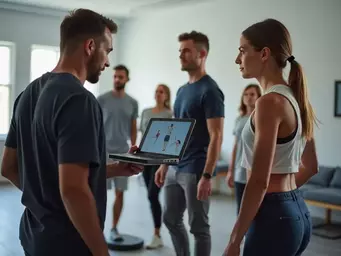
Did you know? Incorporating regular assessments of your movement patterns can drastically improve your exercise efficiency and safety. By understanding your unique biomechanics, you can tailor your workouts to not only enhance performance but also minimize the risk of injury. Consider using video analysis or working with a professional to gain insights into your form!
Understanding the principles of biomechanics is crucial in fostering a safe and effective exercise routine. By implementing biomechanical insights, individuals can significantly reduce their risk of injury while enhancing their overall performance. This proactive approach not only helps in achieving fitness goals but also promotes long-term health and functionality.
The long-term benefits of integrating biomechanics into exercise routines include improved movement efficiency, reduced pain levels, and a greater understanding of one's body. When we prioritize biomechanics, we’re not just preventing injuries; we’re also enhancing our ability to move freely and confidently throughout life.
Individuals who embrace these principles often find themselves experiencing fewer setbacks, allowing them to maintain an active lifestyle. As an exercise physiologist, I frequently see how these benefits unfold over time, leading my clients to achieve their desired outcomes while staying injury-free!
Many athletes and trainers have experienced the profound effects of biomechanics in their training. For example, one of my clients, a competitive runner, was once plagued by recurring injuries. After we integrated a biomechanics-focused program, she saw a remarkable transformation—not only in her performance but also in her confidence and enjoyment of running.
Similarly, trainers who adopt these techniques report notable improvements in their clients' adherence to training protocols and their overall satisfaction with fitness programs. These success stories illustrate the power of biomechanics in injury prevention—a testament to our mission at Functional Fitness & Movement Science.
Ready to take that leap into integrating biomechanics into your workouts? It’s easier than you think! By following a few strategic steps, you can enhance your exercise regimen and protect yourself from injuries.
Starting this journey involves self-awareness and a willingness to learn. I encourage you to take the time to truly understand your body’s mechanics, which can lead to powerful changes in your fitness routine!
To further enhance your knowledge of biomechanics, I recommend exploring a variety of resources. Books on injury prevention, scientific journals, and online courses can provide invaluable insights.
These resources will deepen your understanding and help you craft a program tailored to your unique needs. Staying informed is vital for ongoing injury prevention and achieving your fitness goals.
Injuries can happen, but knowing how to navigate recovery is equally important. Rehabilitation protocols often involve a blend of biomechanics and exercise science to ensure safe and effective recovery. By focusing on proper movement patterns during rehabilitation, individuals can return to their activities stronger and more resilient than before. For strategies on injury prevention exercises for training, check out our guide.
As you embark on this journey, remember that each step you take towards understanding biomechanics is a step towards a healthier, injury-free life. Trust your process and embrace the path to functional movement!
Biomechanics is the study of the mechanical laws relating to the movement or structure of living organisms. It combines principles from physics, biology, and engineering to analyze how the body moves, helping to understand forces, movement patterns, and injury mechanics.
By understanding biomechanics, we can identify improper movement patterns and risk factors that lead to injuries. It promotes correct technique, customized training based on individual body mechanics, and an awareness of personal physical limits, all of which reduce the likelihood of injury during exercise.
Kinesiology is the broader study of human movement, encompassing physiological, psychological, and social aspects. Biomechanics focuses specifically on the mechanical aspects of movement. Together, they provide a holistic view for optimizing movement, aiding in injury recovery, and enhancing performance.
Integrating biomechanics into exercise leads to enhanced understanding of movement patterns, increased strength and flexibility, improved performance in daily activities and sports, and a lower incidence of chronic pain and injuries. It promotes long-term health and functional movement.
You can begin by assessing your current movement patterns, identifying areas of strength and weakness, incorporating biomechanical principles into your exercises, and continuously monitoring your progress. Working with a professional or using tools like video analysis can provide valuable insights.
By Dr. Lena Schippert / Dec 14
By Dr. Lena Schippert / Dec 12
By Dr. Lena Schippert / Dec 08