

Enhancing Everyday Movement Efficiency
By Dr. Lena Schippert / Dec 14
What if understanding the mechanics of every movement could not only enhance your performance but also protect you from injuries? The science of biomechanics might just hold the key to a safer, more effective workout routine.
Understanding the fundamental concepts of biomechanics is crucial for optimizing physical performance and preventing injuries.
Studies the motion of objects without considering the forces causing it. Focuses on position, velocity, and acceleration.
Examines the forces that cause or change motion. Includes gravity, muscle forces, and external loads.
Integrates kinematics and kinetics to understand how forces cause movement over time.
Applying biomechanical insights to identify and correct poor movement patterns, reducing injury risk.
At Functional Fitness & Movement Science, we often emphasize that understanding biomechanics is key to enhancing your physical performance and safety during exercise. Biomechanics, at its core, is the scientific study of movement, exploring how our bodies interact with physical forces. Why is this important? Because every twist, turn, and lift you make can impact your body differently, influencing both your effectiveness and your risk of injury. Let’s dive into the science behind movement!
In simple terms, biomechanics examines the mechanics of your body as it moves. This includes studying the forces acting upon your body and the effects of these forces on your movements. Key components of biomechanics include:
By grasping these concepts, you can better appreciate how different movements affect your body. For instance, realizing that certain movements might cause strain on specific joints can guide you in choosing safer, more effective techniques in your workouts. It’s all about understanding your body’s mechanics!
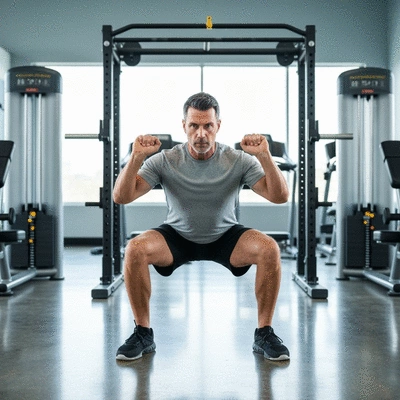
When we talk about injury prevention, biomechanics plays a crucial role. By analyzing movement patterns, we can identify potential risk factors that may lead to injuries. For example, improper alignment during exercises like squats or overhead presses can lead to stress on the knees or shoulders. Here are a few ways biomechanics helps in injury prevention:
By utilizing these biomechanical insights, I’ve seen countless individuals improve their functional fitness while minimizing injury risks. Remember, a little knowledge can go a long way in protecting your body as you stay active!
Kinesiology, closely linked to biomechanics, examines the science of human movement. This field not only studies how we move but also how movement affects our overall health and fitness levels. Understanding kinesiology can help you:
At Functional Fitness & Movement Science, we believe that integrating kinesiology into your fitness routine can lead to improved outcomes. Let’s take those small steps towards understanding our bodies better, as every bit of knowledge empowers us to move safely and effectively!
Did you know? Consistently incorporating mobility exercises into your fitness routine can significantly reduce your risk of injury? By enhancing flexibility and joint range of motion, you're not only improving your performance but also laying a strong foundation for lifelong functional fitness. Make it a habit to include dynamic stretches before your workouts and static stretches afterward to keep your body responsive and resilient!
As we dive deeper into the relationship between biomechanics and functional fitness, it becomes clear that understanding how our bodies move is crucial for preventing injuries. Biomechanics provides a framework to analyze movement patterns, allowing us to recognize potential risks and implement effective strategies to mitigate them. By grasping the principles of biomechanics, we empower ourselves to make informed decisions about our fitness routines.
Here are some key insights to remember:
When we prioritize biomechanics in our training, we're setting ourselves up for success. Remember, knowledge is power, and this knowledge can lead to healthier movement patterns that enhance our overall well-being!
In my experience as an exercise physiologist, I've seen too many individuals overlook the importance of practicing safe movements. Whether you’re new to functional fitness or a seasoned athlete, focusing on safety can extend your fitness journey well into your later years. Here are some essential practices I recommend:
Integrating these safe practices fosters not just short-term success but also promotes lifelong fitness. After all, the goal isn't just to work out but to move through life with vitality!
Understanding our anatomy plays a crucial role in functional movement and injury prevention. When we know how different muscles and joints work together, we can better assess our movement patterns. This connection is vital not only for performance enhancement but also for avoiding injuries.
Consider the following aspects:
By connecting anatomy with our movements, we take significant strides toward injury prevention. Remember, it’s not just about lifting weights or running miles; it’s about moving intelligently and safely!
Creating personalized training programs is essential for catering to the unique needs of each individual. Everyone has different fitness levels, backgrounds, and goals. By tailoring programs, we can enhance their effectiveness and minimize injury risks. Here’s how to start:
With a personalized approach, we can ensure that everyone, regardless of age or fitness level, can safely partake in functional fitness and thrive!
Knowing when to consult a professional can drastically affect recovery and injury prevention. Whether you're experiencing pain or want to optimize your performance, seeking expert guidance is a smart move. Consider reaching out if you notice:
Engaging with professionals, like those at Functional Fitness & Movement Science, can provide you with valuable insights and personalized strategies tailored to your needs. Remember, it’s okay to ask for help—your body will thank you!
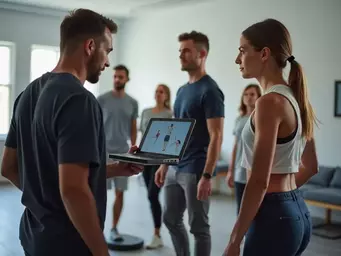
Functional Movement Screens (FMS) are a fantastic tool for identifying movement deficiencies and imbalances. By assessing an individual’s ability to perform basic movements, we can tailor exercise prescriptions that address specific needs. Here’s what to keep in mind:
Incorporating FMS into your training routine can make a world of difference in ensuring you're moving optimally and safely. Let's prioritize our movement health together!
Here is a quick recap of the important points discussed in the article:
By Dr. Lena Schippert / Dec 14
By Dr. Lena Schippert / Dec 12
By Dr. Lena Schippert / Dec 08