

Enhancing Everyday Movement Efficiency
By Dr. Lena Schippert / Dec 14
Have you ever considered how your daily movements influence your overall health? Understanding functional movement assessments can significantly enhance your fitness journey and prevent injuries. Let’s delve into the crucial insights you’ll gain from this article!
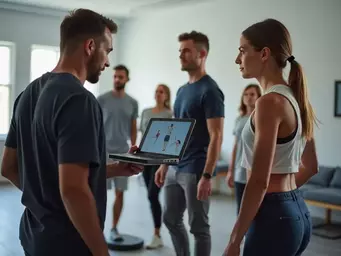
This visual outlines the core components and benefits of Functional Movement Assessments, highlighting their role in preventing injuries and enhancing overall well-being.
Functional movement assessments are essential tools that help us understand how our bodies move during everyday activities. By assessing functional movement patterns, we aim to identify any potential risks that could lead to injury. This approach is invaluable not just for athletes but for anyone looking to maintain their health and functionality throughout their lives. Remember, it’s not just about how we look when we move; it’s about how well we function!
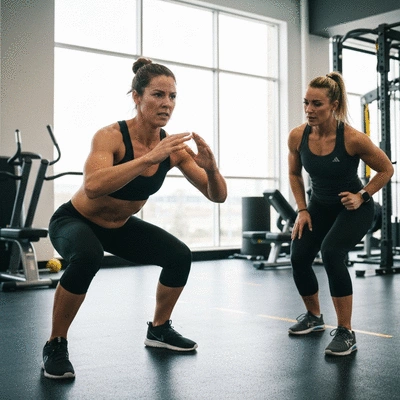
At Functional Fitness & Movement Science, I’ve seen firsthand how understanding these patterns can transform lives. For instance, think about how you squat to pick something up. A proper functional pattern allows you to perform this action safely and efficiently, reducing the risk of injury. For a deeper understanding of how the body moves, explore biomechanics in functional fitness.
Functional movement patterns refer to the basic movements our bodies perform daily, such as squatting, lunging, pushing, pulling, and rotating. These patterns are fundamental because they mimic the actions we take in our everyday lives. When we train these movements, we enhance our ability to perform daily tasks and reduce the likelihood of injuries.
Understanding these patterns helps us create tailored training programs that enhance performance and prevent injuries. By focusing on these key movements, we can build a strong foundation for fitness and functional living.
Functional movement assessments play a crucial role in creating injury-free training programs. They allow us to pinpoint specific areas of weakness or dysfunction in an individual's movement patterns. By identifying these issues early, we can develop strategies to address them before they lead to injuries.
As a movement science expert, I’ve witnessed the direct benefits of assessments. They guide not only what exercises to include but also how to modify activities to suit individual needs, making them an indispensable part of any training routine. Discover how to apply these insights to prevent injuries with effective injury prevention exercises for training.
Movement quality is a critical factor in preventing injuries. When we assess how well someone moves, we can uncover risk factors that might not be immediately apparent. Poor movement quality often leads to compensatory patterns, which increase the likelihood of injury over time.
In my experience, focusing on movement quality not only enhances performance but also contributes to long-term health and vitality. By paying attention to how we move, we can significantly reduce our chances of injury and improve our overall fitness journey.
To effectively assess functional movement patterns, we have several valuable tools at our disposal. These tools not only help us evaluate movement quality but also inform our training strategies.
Utilizing these assessments allows us to create personalized training programs that cater to individual movement needs. Let’s delve deeper into each tool to understand their unique contributions to functional movement assessments.
To enhance your functional movement assessments, consider incorporating video analysis into your evaluations. Capturing your movements on video allows for detailed review and can highlight subtle flaws in technique that may not be apparent in real-time. This additional layer of feedback can significantly improve your training interventions and help prevent injuries.
At Functional Fitness & Movement Science, we understand the critical role of assessing functional movement patterns in promoting injury prevention and enhancing training effectiveness. By evaluating these patterns, we can identify weaknesses, correct improper mechanics, and ultimately foster a more resilient body capable of handling everyday tasks and athletic endeavors. This foundational knowledge empowers trainers and individuals alike to make informed decisions about their exercise regimens.
Integrating functional movement assessments into your routine can lead to significant improvements in performance and overall health. Moreover, these assessments provide a structured way to monitor progress and adapt training strategies based on individual needs. When we look at movement through this lens, we create a pathway for lifelong functional capabilities!
To truly reap the benefits of functional movement assessments, ongoing evaluation is essential. This helps us continually identify any emerging issues or areas for improvement. Here are some key reasons to prioritize long-term monitoring:
By encouraging long-term monitoring, we ensure that individuals remain on the path toward optimal movement and wellness. It's a proactive approach that fosters an environment of continuous improvement. For more on ensuring your body is ready for activity, check out fixing poor form for safety.
Now that you have a solid understanding of the importance of movement assessments, I encourage you to implement this knowledge in your training practices—whether you’re a fitness professional or someone looking to enhance their personal regimen. Taking action is the first step towards meaningful change!
To deepen your understanding of functional movement assessments, consider exploring the following resources:
These resources can provide valuable insights and the latest evidence-based practices to enrich your knowledge and application of movement assessments.
The world of sports science and movement assessment is constantly evolving. To remain at the forefront, it’s crucial to stay informed about the latest research and developments. Following influential journals, attending conferences, and participating in webinars can significantly enhance your knowledge base. Remember, the more we learn, the better we can support our training and injury prevention efforts! Explore the intersection of these fields with functional fitness and movement science.
At Functional Fitness & Movement Science, we believe in the power of informed choices. Let’s commit to learning together and applying these insights to foster healthier, more functional lives for ourselves and our communities!
Functional movement assessments are tools used to evaluate how well your body moves during everyday activities like squatting, lunging, pushing, pulling, and rotating. They help identify potential weaknesses or dysfunctions that could lead to injury.
Functional movement patterns are crucial because they mimic the movements we perform daily. Understanding and improving these patterns enhances our ability to perform daily tasks safely and efficiently, reducing the risk of injury and improving overall functionality.
Assessments pinpoint specific areas of weakness or dysfunction in an individual's movement. By identifying these issues early, personalized training programs and corrective strategies can be developed to address them before they result in injuries.
Movement quality refers to how efficiently and effectively you perform a movement. Poor movement quality can lead to compensatory patterns, increasing the likelihood of injury. Improving movement quality enhances performance, efficiency, and long-term health.
Key tools include the Functional Movement Screen (FMS), which evaluates fundamental movement patterns, the Selective Functional Movement Assessment (SFMA), which identifies movement dysfunctions, and Kinematic & Biomechanical Analysis, which offers insights into movement mechanics.
Here is a quick recap of the important points discussed in the article:
By Dr. Lena Schippert / Dec 14
By Dr. Lena Schippert / Dec 12
By Dr. Lena Schippert / Dec 08