

Enhancing Everyday Movement Efficiency
By Dr. Lena Schippert / Dec 14
Have you ever considered how much your core strength influences your daily activities and athletic performance? Research indicates that a strong core is pivotal not just for aesthetics, but for injury prevention and overall functionality.
Understanding the primary muscle groups that form your core and their specific roles is fundamental to effective core strengthening and injury prevention. For a deeper dive into how your body moves, explore the biomechanics of functional fitness.
Often called the "six-pack," this muscle is crucial for flexing the spine, enabling movements like crunches and sit-ups.
This deep muscle acts like a natural corset, providing vital stability to the pelvis and spine during all movements.
Essential for rotational movements and lateral flexion of the torso, these muscles are key for twisting actions.
While not always considered "abs," these back and hip muscles are critical for overall core power and stability.
At Functional Fitness & Movement Science, we believe that understanding core strength is pivotal not just for athletic performance but also for daily functional activities. Our core muscles play a vital role in stabilizing the body and maintaining good posture, which directly influences our overall fitness and injury prevention. Let's explore the anatomy of these important muscle groups and their functions!
The core is often referred to as the body's powerhouse, and it encompasses several key muscle groups. These include the rectus abdominis, transverse abdominis, and the obliques. Each of these muscles contributes uniquely to our stability and strength:
Understanding these muscles can help us appreciate how they work together to provide core stability during movement.
Core muscles are fundamental for our overall movement and posture. They stabilize the spine during physical activities and support our balance, which is crucial for preventing falls and injuries. When we engage our core:
Incorporating core strengthening exercises into our routines can lead to significant improvements in functional fitness and reduce the risk of injuries. For more on injury prevention, consider these injury prevention exercises for training.
Numerous studies highlight the connection between core strength and injury prevention. Research indicates that individuals who engage in targeted core training experience lower injury rates across various activities. By reinforcing the stability provided by core muscles, we can:
Implementing a core training program can be a game-changer for those looking to stay active and healthy!
Common sports injuries, such as strains and sprains, often stem from a lack of core stability. A strong core helps distribute forces across the body more evenly, which can significantly reduce the risk of injury. For rehabilitation, integrating core strengthening exercises into recovery strategies is essential:
By prioritizing core strength, we not only improve our fitness levels but also enhance our overall resilience against injuries.
In the realm of athletics, core strength is a critical component of performance. It acts as a foundation for balance and power generation, allowing athletes to excel in their respective sports. Strong core muscles enable:
With a well-conditioned core, athletes can perform at their best while also lowering their risk of injuries!
Incorporating core stability exercises into training regimens can lead to marked improvements in speed and agility. Exercises like planks and rotational movements enhance our ability to control our body's center of mass. This leads to:
Focusing on dynamic core stability is not only beneficial for athletes but anyone looking to move more effectively in their daily life.
To truly understand and improve core strength, effective assessments are essential. In physical therapy, we often use functional tests to evaluate core strength, suchs as:
These tests provide valuable insights into an individual's core function and help guide rehabilitation strategies!
Creating personalized core training programs is vital for addressing specific needs. Whether it's for rehabilitation or athletic training, a tailored approach includes:
By focusing on individualized programs, we can foster greater engagement and achieve better results! For those interested in understanding the foundational aspects of movement, consider exploring biomechanics as key to functional fitness.
Here are a few of my favorite core-strengthening exercises that you can easily incorporate into your routine:
Incorporating these exercises promotes overall core strength and aids in injury prevention.
When designing a core training program, it’s important to ensure safety and effectiveness. Here are some tips:
By following these guidelines, you can develop a robust core training program that supports your fitness goals.
The core primarily consists of the rectus abdominis ("six-pack"), transverse abdominis (deep stabilizer), and the internal and external obliques (for rotation and lateral flexion). Other muscles like the erector spinae and glutes also contribute significantly to core strength and stability.
A strong core stabilizes the spine, helps distribute forces more evenly across the body, and improves overall body control and balance. This reduces the risk of common injuries such as lower back pain, strains, and sprains, especially in high-impact activities and sports.
Absolutely. A strong core is foundational for athletic performance, enhancing balance, agility, power transfer from the lower to upper body, and overall coordination. It allows athletes to generate more force and move more efficiently.
Effective functional tests include the plank test to measure endurance, the bridge test for glute activation, and various rotational movements to evaluate oblique strength. These assessments provide insights into an individual's core function and guide tailored training programs.
Key exercises include planks (for endurance), deadlifts (for overall core and back strength), and bodyweight exercises like bridges and bird dogs (for stability). Incorporating a variety of these helps target different core muscle groups for comprehensive strength.
Long-term maintenance involves consistency through a routine, tracking progress, and incorporating cross-training. A balanced diet rich in protein and adequate hydration, along with flexibility training like yoga or stretching, also supports core function and recovery.
Staying consistent with core training is essential for long-term success. Here are some behavioral strategies I've found helpful:
With these strategies, maintaining your core strength can become a natural part of your fitness journey!
Nutrition and recovery play critical roles in supporting core strength. Here are some tips:
By combining proper nutrition and recovery strategies, you can enhance your core strength and overall performance.
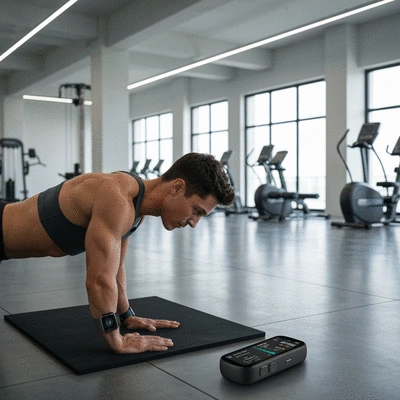
Technology can greatly enhance our understanding of core strength. Wearable devices allow us to monitor:
Using technology can provide motivation and insights into our training.
There are many apps available that can guide us through core training sessions. These tools typically offer:
Embracing these resources can enhance your core training experience and help you stay on track!
We want to hear from you! How do you currently prioritize core strength in your fitness routine? Select an option below:
As we wrap up our discussion on core strength, it's crucial to recognize the multifaceted benefits it brings to both injury prevention and overall fitness. A strong core is not just about aesthetics; it plays a vital role in our daily activities and athletic performance. Enhancing core stability leads to improved balance, better posture, and a significant reduction in the risk of injuries. This is why I emphasize core training as a foundational aspect of any fitness routine.
Let's explore some of the key benefits of core strength training:
These factors are essential for maintaining an active lifestyle and achieving long-term health goals. At Functional Fitness & Movement Science, I have seen firsthand how individuals benefit from integrating core strength exercises into their routines, allowing them to move more efficiently and with confidence.
Core stability is the backbone of our physical health. When we train our core, we create a solid base from which all movements stem. This connection is vital for preventing injuries, particularly in sports and active lifestyles. Studies have shown that individuals with a well-conditioned core are less likely to suffer from common injuries such as lower back pain or strains. Prioritizing core training can greatly improve your resilience against these injuries.
Furthermore, a strong core enhances balance, which is crucial as we age. This is not just about preventing falls—it's about maintaining independence in our daily lives. Remember, every movement counts, and a stable core supports that.
Core strength is not just a physical attribute; it’s a vital component of our overall health and wellness. A strong core supports better movement patterns, which can enhance our daily activities and athletic endeavors. Investing in core strength opens the door to improved athletic performance, from sprinting to lifting weights, and contributes to our overall quality of life.
At Functional Fitness & Movement Science, I often see clients who, after focusing on their core, experience dramatic improvements not only in their athletic performance but also in their daily functionalities. This journey is about empowerment—understanding your body and how to use it effectively to lead a healthier lifestyle.
To truly reap the benefits of core strength, it's essential to incorporate it into a sustainable fitness routine. One effective way is through cross-training. This approach not only keeps workouts interesting but also targets different muscle groups, minimizing the risk of overuse injuries. Combining core workouts with activities like swimming, cycling, and strength training can enhance overall fitness while keeping core stability at the forefront.
Additionally, seeking variety in your routine can keep your motivation high. Rotating through different core exercises can prevent boredom and promote consistent engagement with your fitness journey.
Now is the perfect time to start your core strength journey! I highly recommend exploring practices like Pilates and yoga, which emphasize core stability and flexibility. These modalities not only strengthen your core but also promote mindfulness and body awareness. Taking that first step can lead to profound changes in how you move and function daily. For more strategies to maintain an active lifestyle, read about injury prevention strategies for lifelong activity.
So, what are you waiting for? Join me at Functional Fitness & Movement Science, and let's embark on this journey together. Remember, every small step counts towards building a stronger, healthier you!
Here is a quick recap of the important points discussed in the article:
By Dr. Lena Schippert / Dec 14
By Dr. Lena Schippert / Dec 12
By Dr. Lena Schippert / Dec 08